
 Founding Legislation
Congress enacted Public Law 100-460, establishing the Lower Mississippi Delta Development Commission to study the Lower Mississippi Delta region. Then—Former Arkansas Governor and future President Bill Clinton served as chair of the commission.

 Commission Final Report
The Commission released its final report, ‘The Delta Initiatives: Realizing the Dream…Fulfilling the Potential’, recommending the creation of a permanent regional development entity.
 DRA Act Introduction
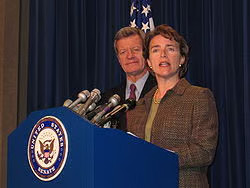
Senator Blanche Lincoln (AR) and Representative Marion Berry (AR) introduced the Delta Regional Authority (DRA) Act to establish the DRA.
 Official Authorization
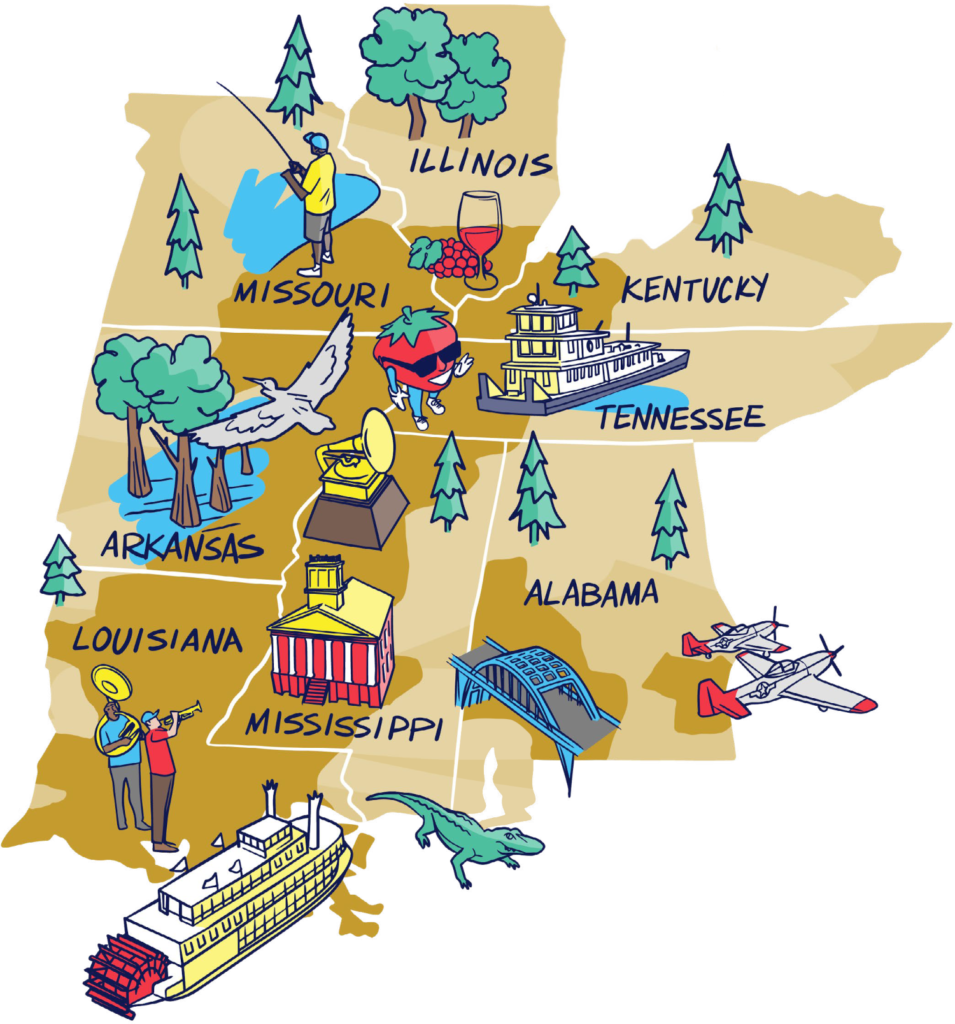
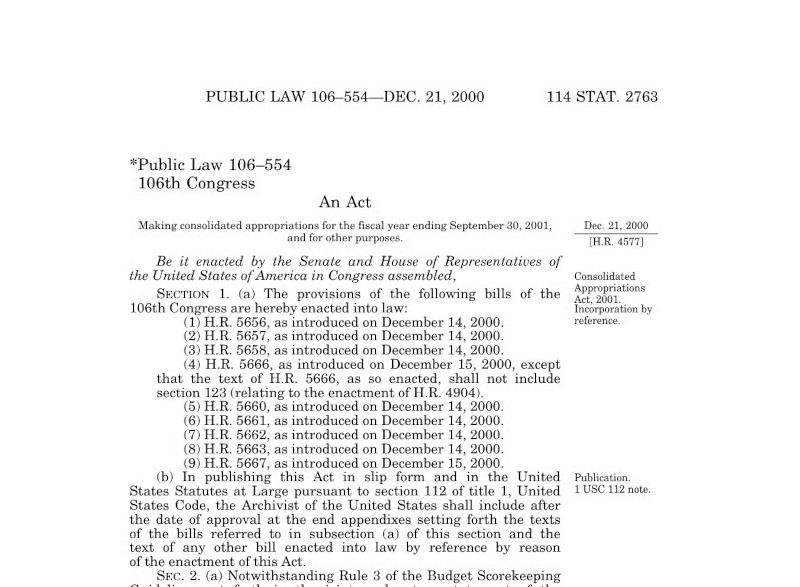
DRA was officially authorized by Title V of the FY 2001 Omnibus Appropriations Act (Public Law 106-554), encompassing 252 counties and parishes across eight states: Alabama, Arkansas, Illinois, Kentucky, Louisiana, Mississippi, Missouri, and Tennessee.
 SEDAP Program
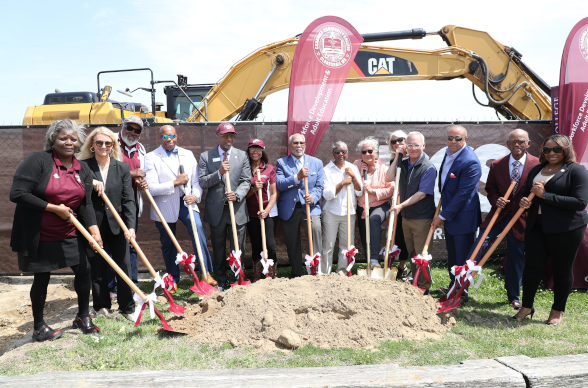
The States’ Economic Development Assistance Program (SEDAP), DRA’s main investment tool was created to provide direct investments for basic public infrastructure, transportation infrastructure, business development with an emphasis on entrepreneurship, and workforce development.
 Delta Doctors
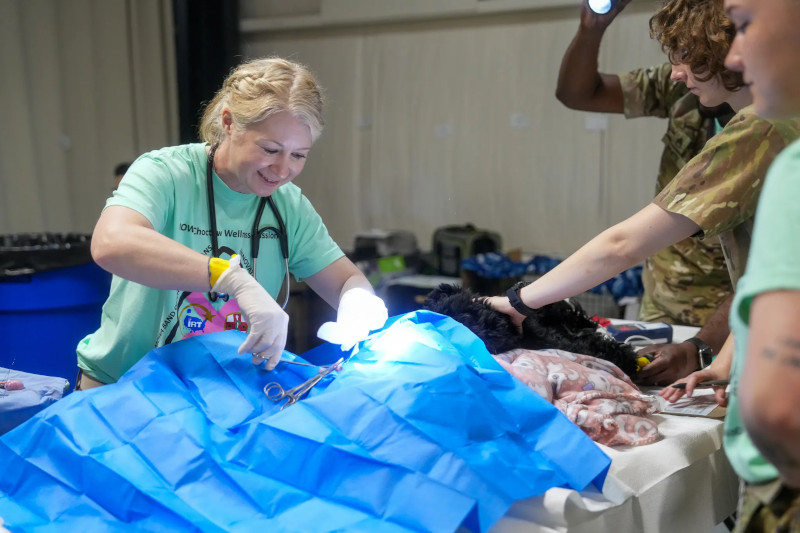
DRA introduced the Delta Doctors program to expand access to quality health care in DRA communities by using J-1 visa waivers to place U.S.-trained foreign physicians in areas with health professional shortages.
 Leadership Institute
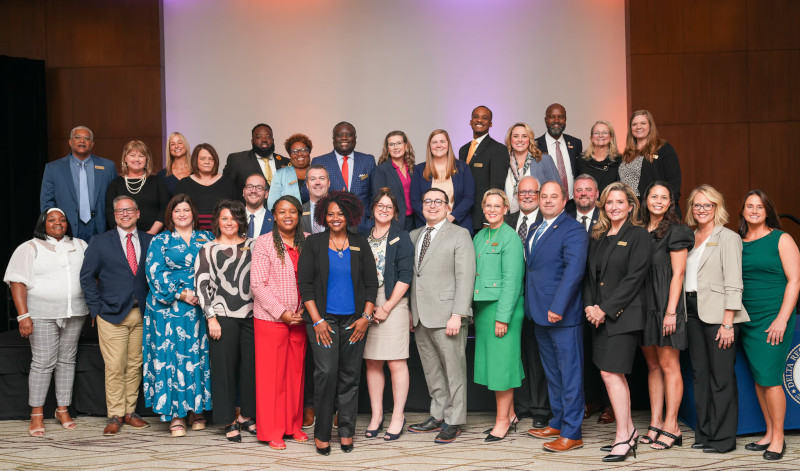
The Delta Leadership Institute (DLI) Executive Academy was established to cultivate regional leaders equipped to address local challenges. During the nine-month executive leadership development program, six sessions are held in different cities throughout the eight-state region.

 Farm Bill Funding
The Farm Security and Rural Reinvestment Act of 2008, more commonly known as the 2008 Farm Bill (Public Law 107-171), provided new funds for Delta regional projects.
 Medical Missions
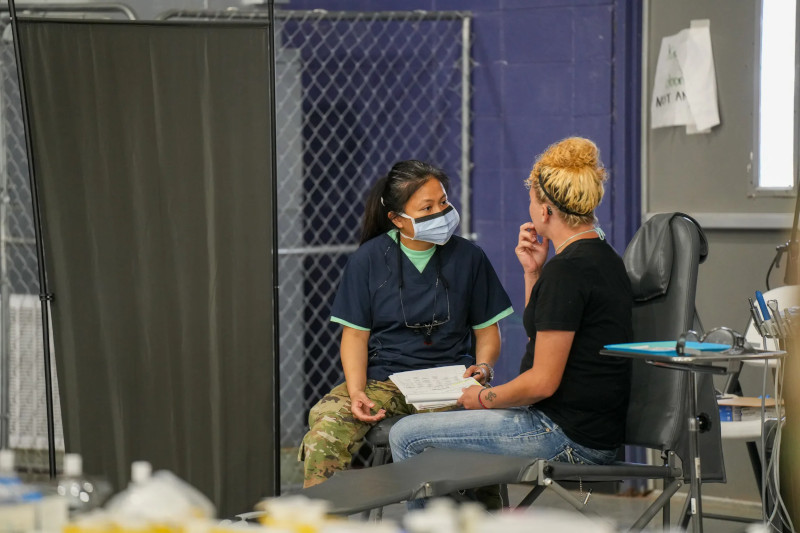
DRA began a partnership with the U.S. Department of Defense and military reserves forces through the Innovative Readiness Training program to deliver free medical, dental, and optical care to residents in need. Since 2009, DRA has supported over 50 medical missions.
 Delta Leadership Network
DRA launched the Delta Leadership Network (DLN), a Delta Leadership Institute(DLI) alumni group, to provide a platform for continued professional development, communications, and collaboration. DLN has more than 700 members.

 Rural Health Initiatives
The agency strengthened its focus on rural health access and innovation through two key initiatives: the Rural Health IT Revolving Loan Fund in partnership with USDA and an effort to address diabetes in the Delta region (still in its planning phase) in partnership with CDC.

 Delta Entrepreneurship Network
The Delta Entrepreneurship Network was launched to identify, nurture, and grow entrepreneurs and entrepreneurship support organizations through a competitive fellowship program with The Idea Village in New Orleans.
 Public Works Program
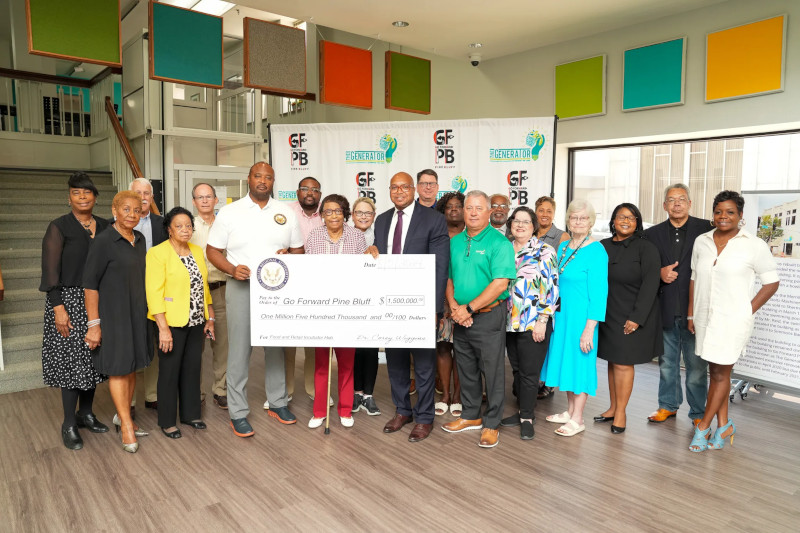
Through a partnership with the U.S. Economic Development Administration, the Public Works and Economic Adjustment Assistance (PWEAA) program was established to help support economic growth in distressed Delta communities.

 Community Infrastructure Fund
The Community Infrastructure Fund (CIF) was established to support projects that address flood control, basic public infrastructure, and transportation infrastructure improvements, complementing SEDAP as one of DRA’s primary investment tools.

 Health Systems Development
The Delta Region Community Health Systems Development Program, a partnership with the Health Resources and Services Administration’s (HRSA) Federal Office of Rural Health Policy and the National Rural Health Resource Center, was established to strengthen rural healthcare delivery.

 WORC Program
The Workforce Opportunity for Rural Communities (WORC) Initiative, in partnership with the U.S. Department of Labor’s Employment and Training Administration (ETA), was launched to support community-led workforce grants in economically distressed rural areas.

 Delta Workforce Grants
The Delta Workforce Grant Program was implemented to build long-term community capacity and boost economic competitiveness by funding workforce training and education initiatives throughout the lower Mississippi River Delta and Alabama Black Belt regions.

 Health Workforce Training
DRA, in partnership with the Health Resources and Services Administration’s (HRSA) Federal Office of Rural Health Policy, launched the Delta Region Rural Health Workforce Training Program, which supports education and training for critical health administrative support occupations.

 Capacity Building Programs
DRA introduced two capacity-building programs, the Strategic Planning Program and Local Development District Community Support Pilot Program, to help communities develop strategic plans and strengthen internal capacity.
 Reauthorization
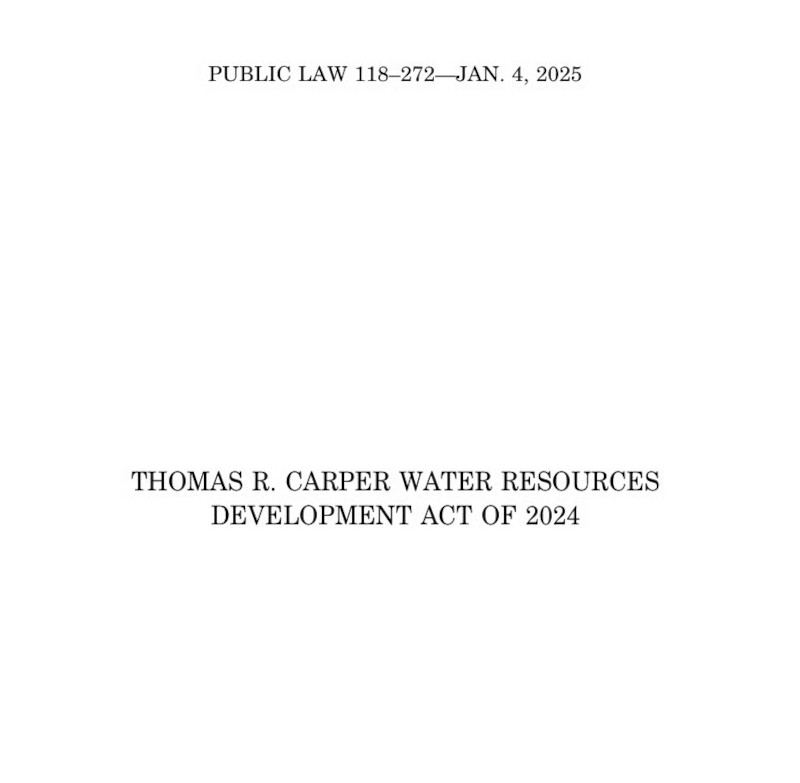
DRA was reauthorized through the Thomas R. Carper Water Resources Development Act of 2024, which expanded its footprint to include Sabine, Terrebonne, and Vernon Parishes, bringing the total number of counties and parishes served to 255.